Smith Ecology Lab
  • News
  • FIRE EXPERIMENT
  • Publications
  • Media
  • People

Declines in platypus linked to urbanisation

25/8/2025

 
August 2025: The Smith Lab's Team Platypus, has just published a new study, impeccably and professionally led by Charley Rayner.  

Leveraging citizen science data (477 annual platypus observations, 67 sites across five catchments, 2013–2023) and satellite imagery, Charley quantified the decade-long impact of urbanisation on platypus, using Normalised Difference Vegetation Index (NDVI), Normalised Difference Built-up Index (NDBI), and urban land cover. 

Urbanisation negatively impacted platypus, with the strongest effect observed for the Built-up Index. These findings occurred despite minimal variation to the catchment landscape over the 11-year study, indicating platypus response was due to prolonged urban exposure rather than direct land-use change. 

Charley's results have led to new recommendations for freshwater management and platypus conservation including riparian buffer protection (> 30 m) and water-sensitive urban design.

This paper arose from Charley's honours research. Their paper was described by one reviewer as an 'interesting blend of effective citizen science with professional landscape ecology and strong spatio-temporal elements.' Well done Charley!
Picture
Picture
Rayner CJ, Brunt T, Smith AL (2025). The impact of a decade of urbanisation on a semi-aquatic mammal in a subtropical freshwater ecosystem. Landscape Ecology 40, 175

Wildfire impacts locally rare and cryptic reptile species

23/7/2025

 
July 2025: Statistical models are data hungry and the scientific literature is dominated by widespread, common or abundant species that are relatively easy to analyse.

Fire ecologists (myself included) often exclude rare species from their data because sparse data are difficult to analyse. This poses a huge risk of biasing our understanding of the impacts of fire. Rare species are rare for a reason and might have different fire responses than common species. This problem plagued me for more than a decade and motivated me to re-visit an old dataset from my PhD, in collaboration with my masters student Amber Lim.

Our recently published paper, suggests that the effects of wildfire on rare reptile species  are harder to detect than those of common, dominant species which are often favored by disturbance (and scientific research).

When accounting for incomplete sampling, unburnt habitat was more diverse, accumulated species more quickly, and required a greater sampling effort to obtain sample coverage comparable to habitat burned by wildfire.  Fire effects were more evident when rare species were added to the dataset before common ones. 

Fires in this study region were mostly high-intensity wildfires. Indigenous burning regimes that result in smaller and more patchy fires are more likely to conserve rare and cryptic reptile species. 
Picture
Smith AL, Lim ASY (2025). Hidden influence of fire on locally rare and cryptic reptile species. Ecology 106, e70121.

How do changing fire regimes influence specialized plant–animal interactions?

28/4/2025

 
April 2025: Fire has played a key role in the evolution of ecological structure and function, but contemporary changes in fire regimes are driving global biodiversity declines. The effects of these changes are fairly well documented for plant and animal populations, but less is known about how fire influences, and is influenced by, specialized plant–animal interactions.

A new paper by Smith Lab PhD Student Felicity Charles, synthesised the literature to show how fire regime changes impact fire-dependent specialist plant–animal interactions and potentially drive eco-evolutionary dynamics. Felicity identified mutualistic (pollination, seed dispersal and food provision), commensal (habitat provision) and antagonistic (seed predation, herbivory and parasitism) plant–animal interactions and summarised the traits involved in these interactions.

This work is a step-forward in understanding how traits interact across species and fire regimes and will help guide future fire ecology research.

This article is part of the theme issue ‘Novel fire regimes under climate changes and human influences: impacts, ecosystem responses and feedbacks’. This theme issue highlights the unprecedented importance of transdisciplinary research and adaptive management to address escalating fire risks in a changing climate.
Picture
Picture
Charles FE, Reside AE, Smith AL (2025). The influence of changing fire regimes on specialised plant-animal interactions. Philosophical Transactions of the Royal Society of London B 380, 20230448.

How do rainforest mammals behave after wildfire?

26/2/2025

 
Feb 2025: Global increases in wildfires are making rainforests vulnerable to fire, especially at the margins.

Smith Lab PhD student Rhiannon Bird, just published her honours research, showing that fire in rainforest margins reduced mammal diversity and caused variation in how rainforest-associated species used their habitat. Fire in surrounding eucalypt forest was also associated with reduced movement of a generalist species, the bush rat, Rattus fuscipes.

Modified habitat use and behaviour could be detected up to 15 months post-fire, highlighting the ongoing impacts of fire in rainforest margins.
Picture
Bird RR, Zsoldos RR, Jimenez Sandoval MV, Watson SJ, Smith AL (2025). Wildfire in rainforest margins is associated with variation in mammal diversity and habitat use. Wildlife Research 52, WR24103

Restoring waterways can help save platypus

14/1/2025

 
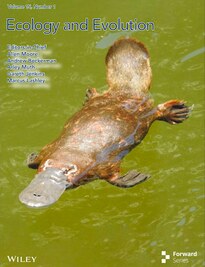
Picture
Jan 2025: To kick off the year, Smith Lab graduate Dr Tamielle Brunt published the last two of her PhD thesis chapters.

The first, featured on the cover of Ecology and Evolution, showed that platypus rarely occur in streams where water flows are reduced, such as shallow, dry streams. Restoring waterway connectivity and food resources for platypus through good waterway management, especially during drought, can therefore maintain these iconic creatures. Read the paper here.

The second, published in Animal Conservation, showed that removal of vegetation restricts platypus gene flow in urban areas. Restoration of water flow and riverine vegetation can therefore to help maintain connectivity and gene flow - helping platypus adapt to changing environments. Read the paper here.

Huge congratulations to Dr Brunt for having all of her PhD thesis chapters published!

Invertebrates Rock

22/5/2024

 
May 2024: We often think of ecological restoration as involving re-vegetation and tree planting. But what about the abiotic environment? Rocks are important for many animals, so is it necessary to also restore these habitat features?

This is what Dr Isobel Roberts and myself set out to investigate, with a team from the Australian Captial Territory Government.

Interestingly, we found very little response to rock addition, despite a region-wide, replicated restoration effort (12 tonnes of crushed bedrock) and an extensive functional analysis of invertebrate communities (29,164 individual invertebrates from 19 orders).

Rocks did not have a positive or negative effect in the short term (3 years) on invertebrate biodiversity.

There is little risk of negatively impacting invertebrates with rocks, while there might be positive benefits over the longer term, especially for other animals like lizards.
Picture
Picture
Read the paper to find out more:

Roberts, I., Milner, R.N.C., Howland, B., Lumbers, J., Gilbert, M. & Smith, A.L. 2024. Effects of abiotic restoration through rock addition on invertebrate functional diversity in native temperate grasslands. Restoration Ecology, e14192.

Are mainland islands like actual islands?

9/10/2023

 
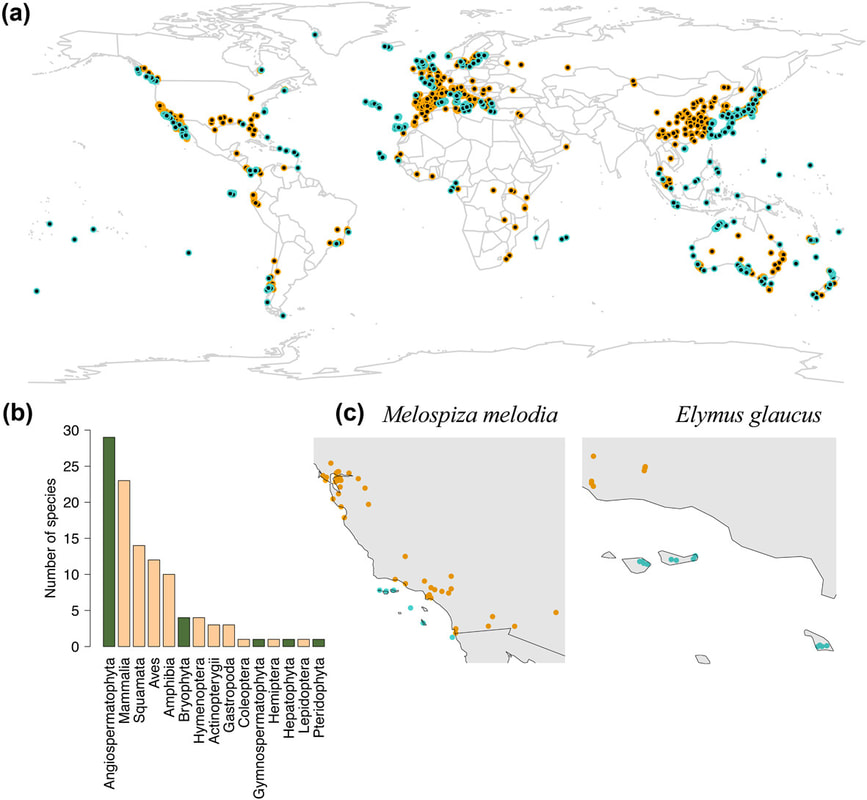
Oct 2023: Island biogeography has provided an essential theoretical framework for understanding habitat loss and fragmentation on land. But to what extent do land-based 'islands' act like actual, oceanic islands?

This was the question we set out to answer in the Biogeography Discussion Group led by A/Prof. Anna Mária Csergő at Trinity College Dublin, back in 2017. Over the years, we compiled an analysed a huge database of published measurements of phenotypic traits and neutral genetic diversity from 1608 populations of 108 plant and animal species at a global scale.

We found that spatial phenotypic variability was higher between island populations than between mainland populations. This means that mainland populations are likely to benefit from higher connectivity between habitat patches compared to islands.
Picture
Read the full paper here:

Csergő AM, Healy K, O'Connell DP, Baudraz MEA, Kelly DJ, Ó Marcaigh F, Smith AL, Villellas J, White C, Yang Q and Buckley YM (2023). Spatial phenotypic variability is higher between island populations than between mainland populations worldwide. Ecography, e06787

How did the animal cross the road?

16/7/2023

 
July 2023: New research from my PhD student Felicity Charles has been published in Wildlife Letters.

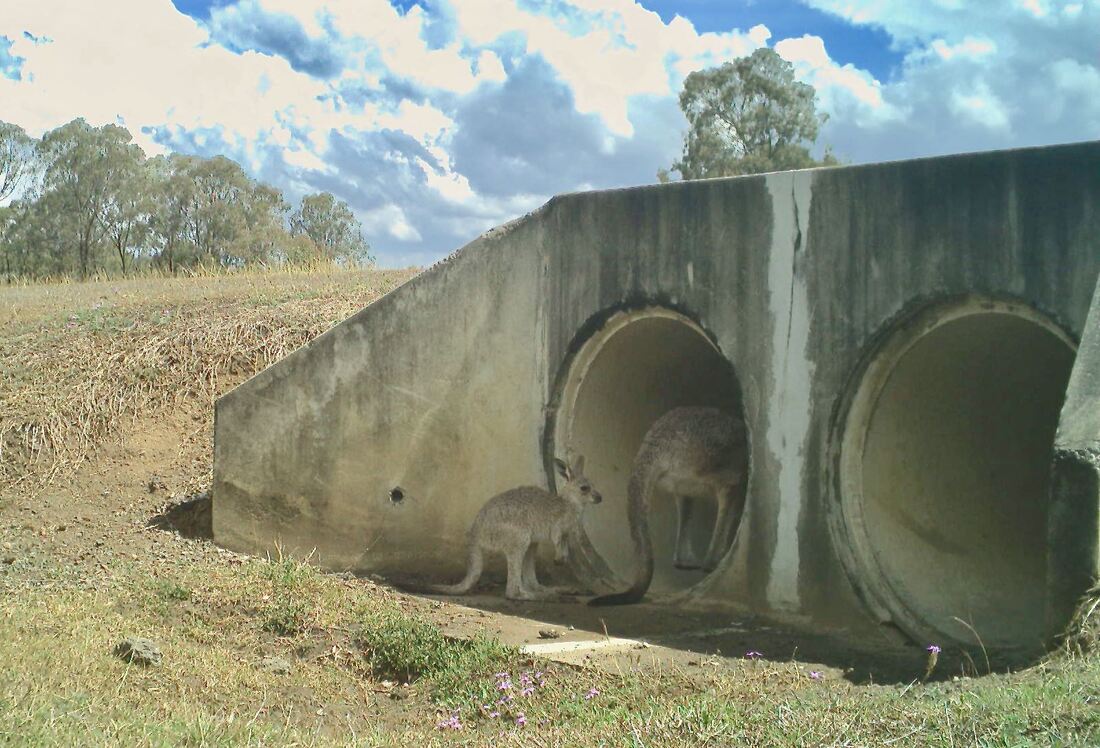
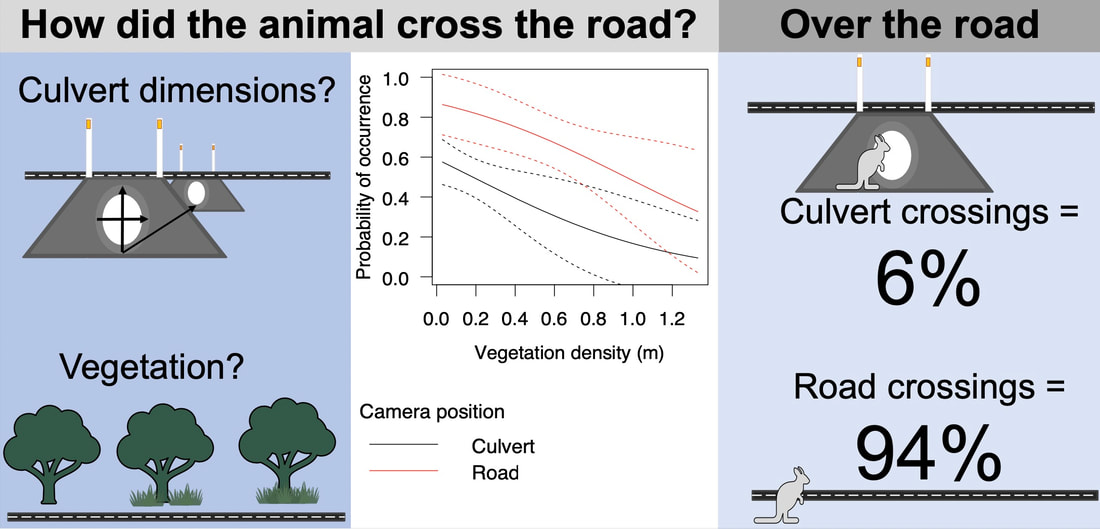
This came from Felicity's honours thesis, in which she found that animals crossed roads via drainage culverts only about 6% of the time, preferring the road surface.

Picture
Existing crossing structures aren't, therefore, super popular with wildlife. More would need to be done before they could be effective at mitigating roadkill.
Picture
Charles FE, Brady MJ, Smith AL (2023). Use of road infrastructure for movement by common terrestrial vertebrates. Wildlife Letters DOI: https://doi.org/10.1002/wll2.12019

Optimal fire regimes for plant conservation?

3/7/2023

 
June 2023: The first of our experimental burns started this month and will continue throughout winter. It has been a big first six months getting all of the pre-fire data before the fire season and it is exciting to have the fires underway.

Impressively, our botanist colleague Dr Gabrielle Lebbink recorded 165 plant species across the 32 sites pre-fire. Check out the infographic below for an update.
Picture
Picture
Picture

New paper on herbicide impacts on native grasslands

24/5/2023

 
May 2023: As much as we'd like to avoid it, herbicide is sometimes a necessary part of restoration, to reduce the occurrence of potentially damaging invasive plants.

Our new paper showed however, that herbicide can have negative impacts on native plant species. Spot spraying is usually recommended over boom spraying to minimise the exposure of nontarget species to chemicals. Contrary to this widespread belief, we found that spot spraying had a higher surface coverage and caused more negative impacts on native plants than boom spraying.
Picture
These findings led us to develop a decision tree, which can be used by conservation managers to optimise herbicide application under different grassland conditions.

This was a collaboration with Dr Richard Milner and associates from Australian Capital Territory Government, with assistance by my UQ Research Assistant Raagini Kanjithanda.

Smith, A.L., Kanjithanda, R.M., Hayashi, T., French, J. and Milner, R.N.C. (2023), Reducing herbicide input and optimising spray method can minimise non-target impacts on native grassland plant species. Ecological Applications, e2864. DOI: https://doi.org/10.1002/eap.2864
<<Previous

    Dr Annabel Smith

    Senior Lecturer
    School of the Environment
    University of Queensland

    Subject-matter Editor, Ecology

    Editorial Board Member,
    Journal of Pyrogeography

    Archives

    August 2025
    July 2025
    April 2025
    February 2025
    January 2025
    May 2024
    October 2023
    July 2023
    May 2023
    January 2023
    December 2022
    March 2022
    September 2021
    November 2020
    February 2020
    October 2019
    September 2019
    July 2019
    February 2019
    December 2018
    November 2018
    August 2018
    July 2018
    April 2018
    January 2018
    November 2017
    September 2017
    June 2017
    April 2017
    November 2016
    June 2016
    May 2016
    March 2016
    January 2016

Site powered by Weebly. Managed by HostGator